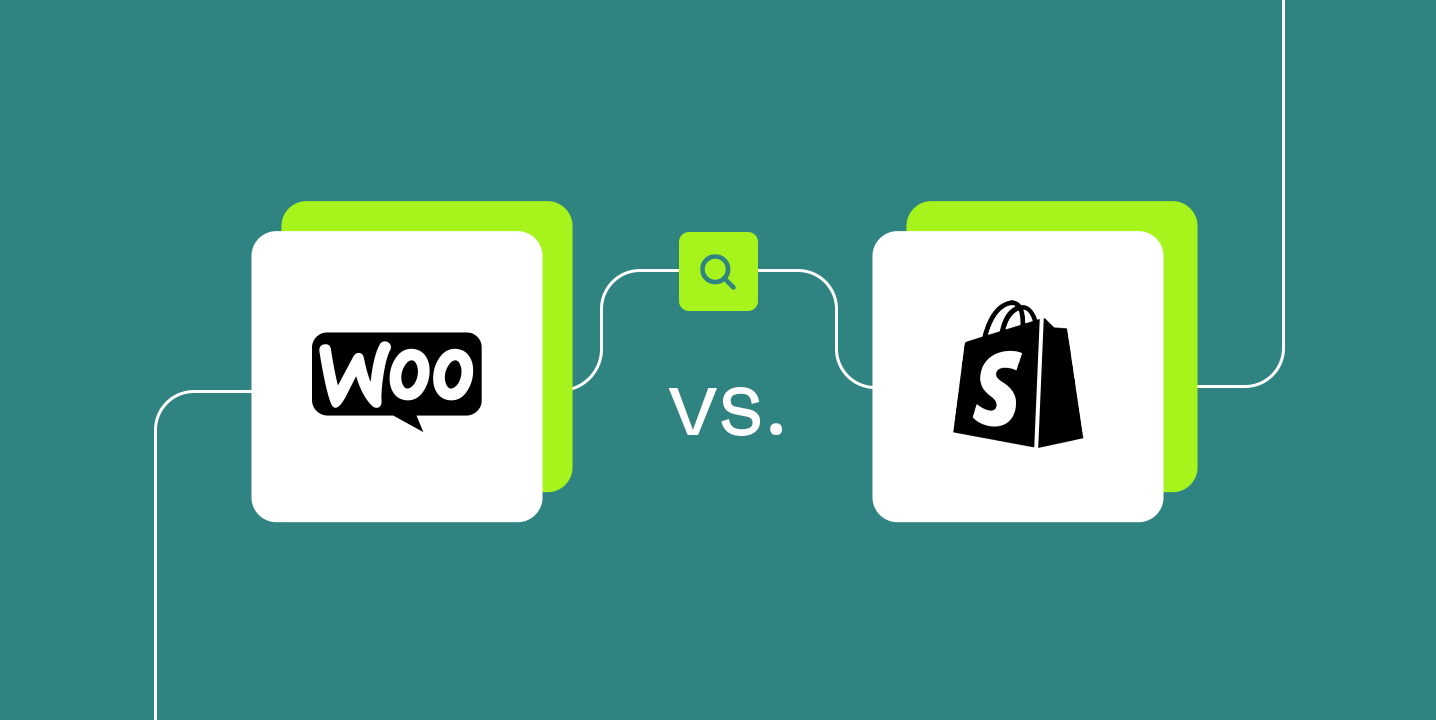
In the rapidly evolving landscape of 2026, the choice between Shopify and WooCommerce has transcended mere “ease of use.” For high-volume e-commerce brands—those managing seven to nine figures in annual revenue—the decision is now a technical calculation involving infrastructure stability, omnichannel PPC efficiency, and long-term Customer Lifetime Value (LTV).
As a performance agency focused on “Growth Engineering,” Adlenso has audited hundreds of backend environments. Here is our definitive analysis of how these two giants perform under the pressure of global scaling.
1. The Architecture of Scale: Infrastructure in 2026
When scaling to high volumes, the primary bottleneck is rarely the front end; it is the database and server responsiveness during traffic spikes (e.g., Black Friday or a viral TikTok Spark Ads campaign).
Shopify: The Bulletproof SaaS Model
Shopify remains the gold standard for brands that prioritize uptime over server-side control. In 2026, Shopify’s global Edge infrastructure ensures that even during massive flash sales, the “buy button” never fails.
- The Advantage: Zero maintenance. Your team focuses on marketing, not server patches.
- The Scalability Metric: Shopify handles 10,000+ transactions per minute without a hiccup.
WooCommerce: The Sovereign Engineering Model
WooCommerce, powered by WordPress, offers total sovereignty. For high-volume brands, this requires a “headless” approach or high-performance enterprise hosting.
- The Advantage: Data ownership and no platform transaction fees.
- The Scalability Metric: Requires a dedicated DevOps team to manage database sharding and object caching as order volume grows.
2. Omnichannel PPC Performance & Integration
In 2026, your store isn’t just a website; it’s a data node for Meta, Google, and TikTok.
Data Signal Precision
- Shopify: Its native “Shopify Audiences” and seamless Pixel integration mean your Meta and TikTok ad accounts receive cleaner data signals. This leads to faster algorithmic learning and higher ROAS.
- WooCommerce: Offers deeper customization for server-side tracking (GTM Server Side). While it requires more setup, it can bypass some of the tracking limitations found in closed SaaS ecosystems.
3. Conversion Rate Optimization (CRO) & Technical SEO
For Adlenso, a store that doesn’t convert traffic is a liability.
The Checkout Experience
- Shopify: The “Shop Pay” ecosystem is a conversion powerhouse. In 2026, Shop Pay’s one-tap checkout is proven to increase conversion rates by up to 50% compared to guest checkouts. However, checkout customization is limited unless you are on Shopify Plus.
- WooCommerce: Offers unlimited checkout flexibility. You can engineer multi-step, personalized checkout funnels that are tailored to specific product categories, which is a major win for brands with complex upsell strategies.
Core Web Vitals
Both platforms can achieve sub-1-second load times, but WooCommerce requires more manual optimization (Image compression, CDN configuration, and script minification). Shopify’s built-in optimization provides a higher “out-of-the-box” performance floor.
4. Cost Analysis: The “Hidden” Scaling Tax
High-volume brands must look beyond the monthly subscription.
| Feature | Shopify (Plus) | WooCommerce (Enterprise) |
|---|---|---|
| Monthly Fee | $2,500+ | $0 (Software) |
| Hosting | Included | $200 – $1,000+ |
| Transaction Fees | 0% (with Shopify Payments) | 0% (Platform fee) |
| App/Plugin Costs | High (Monthly Subscriptions) | Low (One-time or Annual) |
| Dev Requirements | Low/Medium | High |
5. The Verdict for 2026
At Adlenso, our recommendation depends on your organizational DNA:
- Choose Shopify if: You are a marketing-first brand that wants to focus 100% of your energy on PPC scaling, TikTok creative, and brand building. You value stability and speed over total technical control.
- Choose WooCommerce if: You are an engineering-led brand with a complex product catalog, unique subscription models, or a need for total data sovereignty. You want to avoid the “Shopify Tax” and have the resources to maintain a high-performance server environment.
The Adlenso Edge
Regardless of the platform, the most successful brands in 2026 share one trait: Integrated Management. By bridging the gap between your store development and your PPC ad accounts, we ensure that every technical tweak is designed to lower your Customer Acquisition Cost (CAC).
Ready to audit your infrastructure? Book a Free Growth Consultation with Adlenso today.